
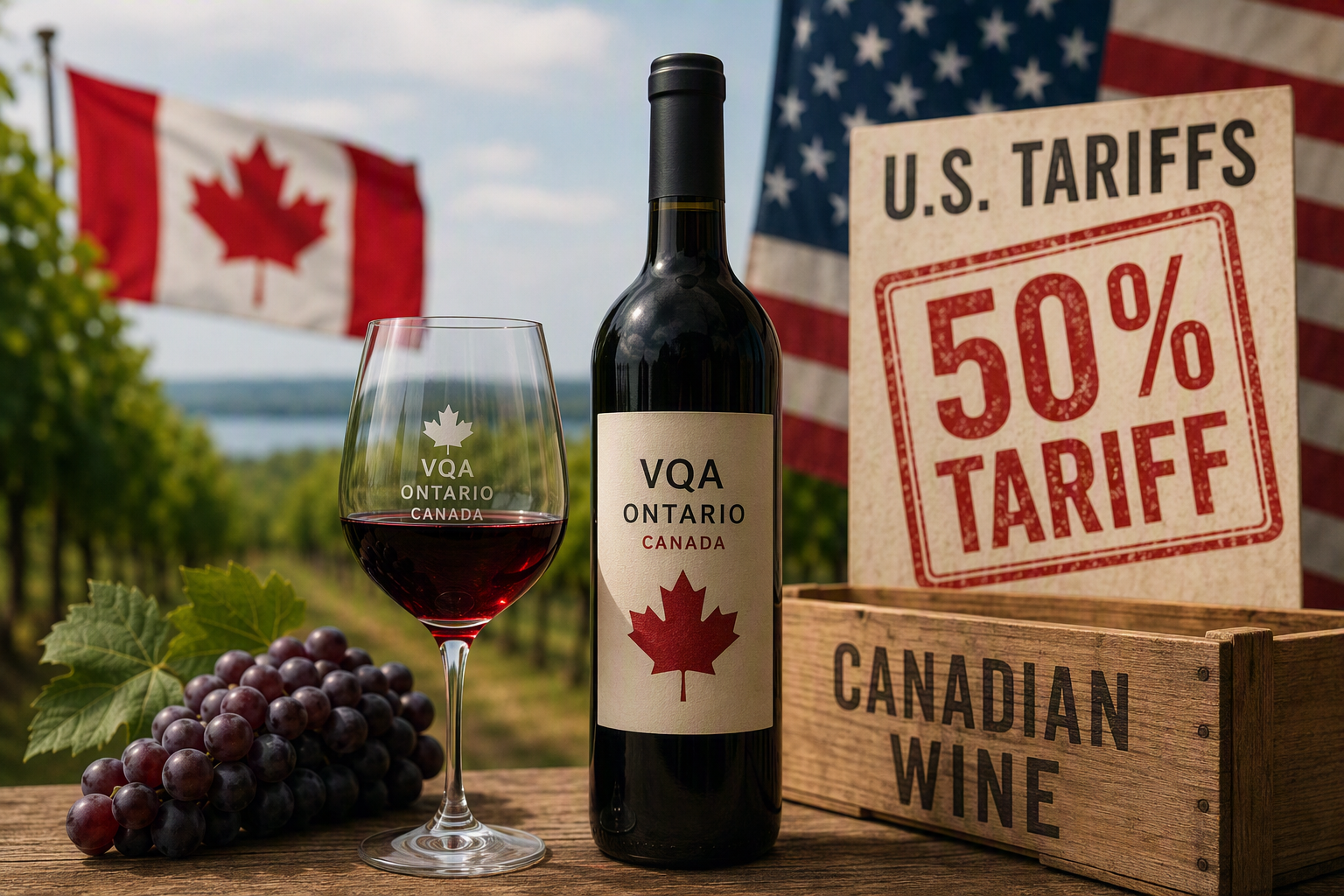
As Canada’s wine industry is facing mounting pressure from U.S. trade restrictions, one industry leader says the turmoil could create an opportunity to expand the domestic market for Ontario - and Canadian-made wines.
“We can’t control what Washington does, but we can control our own choices, and we can control how we grow the industry in Canada,” said Dan Paszkowski, president and CEO of Wine Growers Canada.
Wine Growers Canada is a non-profit trade organization that represents Canadian wineries and acts as an industry liaison to federal and provincial governments. It represents 90 per cent of vineyards coast to coast.
According to Paszkowski, a total of 90 per cent of Canadian wine shipped to the United States is produced in Ontario, leaving the province’s wineries particularly exposed to the latest restrictions.
The ongoing trade dispute escalated in March 2025, when the U.S. imposed tariffs on a wide range of Canadian goods, including alcohol. In response, Ontario and other provinces removed U.S. alcohol from store shelves.
In July, the Trump administration imposed a 50 per cent tariff on numerous goods, including Canadian spirits, wines, and more.
On Sept. 8, Trump signed executive orders that will effectively ban imports of a number of Canadian products, including alcoholic beverages, beginning Sept. 29.
The orders came hours after Ottawa announced counter-tariffs on roughly 700 American products. The new U.S. restrictions, imposed under Section 338 of the Tariff Act of 1930, also cover certain dairy and agricultural products and motor vehicle equipment.
“The threat of tariffs, and then 50 per cent tariffs put in place in August creates a significant blow to be able to sell wine in the United States,” Paszkowski said.
Ontario vineyards, icewine sector hit particularly hard
Paszkowski said the tariffs are creating “a lot of uncertainty for the industry” and that large and small wineries across the country have been hit hard.
The restrictions could also have an impact beyond exports, particularly in Ontario’s wine regions, where wineries rely on visitors from across the border. Paszkowski said Americans who travel to Canada to visit wineries may no longer be able to bring Canadian wine home with them.
Icewine is a sweeter blend that is often compared to dessert food and is made from grapes that are left on the vine to freeze naturally in winter.
“Sixty per cent of all exports to the U.S. are icewine, so it is a very important market. If you think of, let’s say, a $40 bottle of wine entering the U.S., it automatically picks up a $20 tariff, turning it into a $60 bottle. Then you’ve got to take into account the margins the importer, distributor, and retailer want to make, so it makes the wine extremely expensive for consumers,” said Paszkowski.
Other impacted regions include the Okanagan Valley and parts of eastern Quebec.
“It’s a market that we’ve built over the years, and the loss of that, even for a short period of time, could be devastating because it could take us years to build back the consumer base and the loyal importers, distributors and retailers that we’ve also built, ” said Paszkowski.