
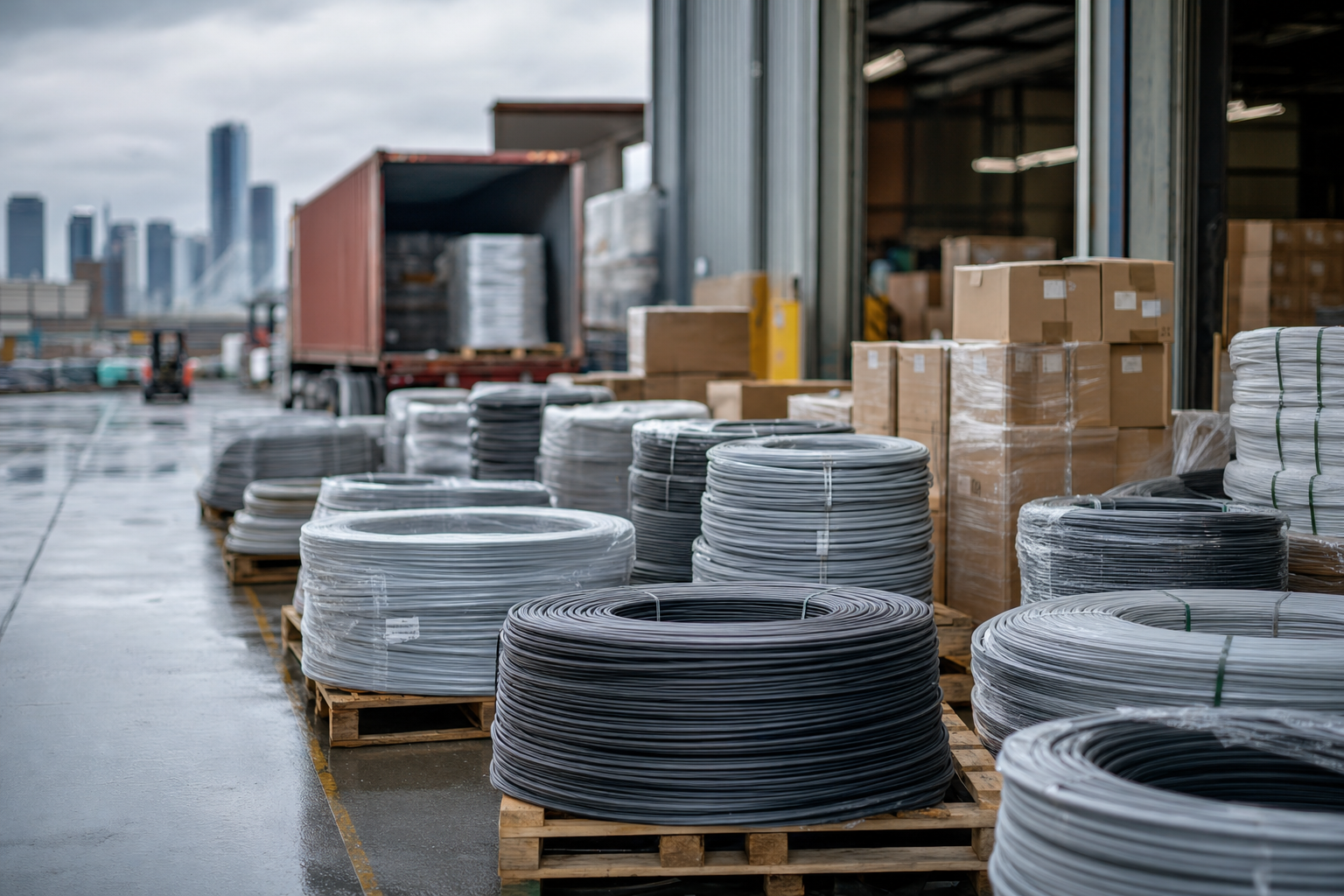
Canadian importers of covered unarmoured building cables from China are approaching a separate decision point after the Canada Border Services Agency made final dumping and subsidy determinations on October 27, 2026. The development was published in the Canada Gazette on November 7, while provisional duties continue pending the Canadian International Trade Tribunal’s injury decision, scheduled by November 26, 2026.
What the November publication confirmed
The CBSA made final determinations that the covered Chinese unarmoured building cables were dumped and subsidized. The subsidy investigation was terminated for one named exporter. The determinations and related details were published in the Canada Gazette, Part I, on November 7, 2026.
This is not yet the final outcome for every future shipment. The CITT must determine whether the imports caused injury or threaten to cause injury to Canadian industry. According to the published notice, provisional duties continue until the earlier applicable termination point while that process is pending.
For an importer, the key distinction is between the CBSA’s trade-remedy determination and the CITT’s injury finding. The first addresses dumping and subsidizing. The second determines whether the statutory injury or threat-of-injury condition is met for the trade-remedy process to proceed.
Why the decision date matters for GTA supply chains
The file is relevant to importers supplying construction and electrical markets in Toronto, Mississauga and Brampton, including distributors, electrical wholesalers, contractors and manufacturers that source covered products from China. The published material identifies these categories of Canadian businesses as potentially affected by the determinations.
A CITT finding of injury or threat of injury could mean that anti-dumping and/or countervailing duties apply to future imports. The importer would be responsible for amounts payable on those imports. If the tribunal does not make the required finding, the treatment of future shipments would differ from the outcome that would follow an injury finding.
Because the decision is scheduled by November 26, 2026, businesses with purchase orders, goods in transit or planned replenishment should treat the period as a review window rather than assume that the provisional position will continue unchanged.
Checks importers can complete before the decision
Confirm whether the product is covered
Importers who handle Chinese building cables should compare the products they buy with the covered goods described in the Canada Gazette publication. Product scope should be checked at the item level rather than inferred from a supplier’s general description of cable. Businesses that are uncertain about scope may wish to obtain product specifications and preserve the basis for their determination.
Separate affected inventory and purchase orders
Importers who have multiple cable types, origins or suppliers generally benefit from keeping the covered Chinese products distinguishable in their purchasing and inventory records. This can help the business review goods in transit, open orders and future imports against the tribunal’s result without treating unrelated products as affected.
Coordinate with the customs broker
Importers who believe an entry may involve the covered goods should provide the broker with the commercial and technical information needed to assess the product’s scope and origin. The broker can then review the entry treatment against the applicable trade-remedy process. The published determination does not make every cable shipment subject to the same treatment; coverage remains dependent on the goods described in the proceeding.
What to watch on November 26
The immediate milestone is the CITT’s scheduled decision on whether the imports injured or threaten to injure Canadian industry. If the tribunal makes that finding, anti-dumping and/or countervailing duties may apply to future imports of the covered products. Importers should review the published decision and any resulting instructions before finalizing their next customs-control step.
This development is narrower than a general customs or border operating change. It is a product-specific trade-remedy file, but its financial effect can reach the importer directly when the goods fall within scope. Importers in the GTA should therefore focus first on product identification, country of origin and shipment timing rather than changing procedures for all electrical or construction materials.